Skip to content
SciCampus guides

Academic writing and research guides

Practical guides to academic writing, research integrity and journal selection. Learn how to review a manuscript with our academic AI Detector, inspect source matches with the Similarity Checker, or shortlist journals with Journal Finder.

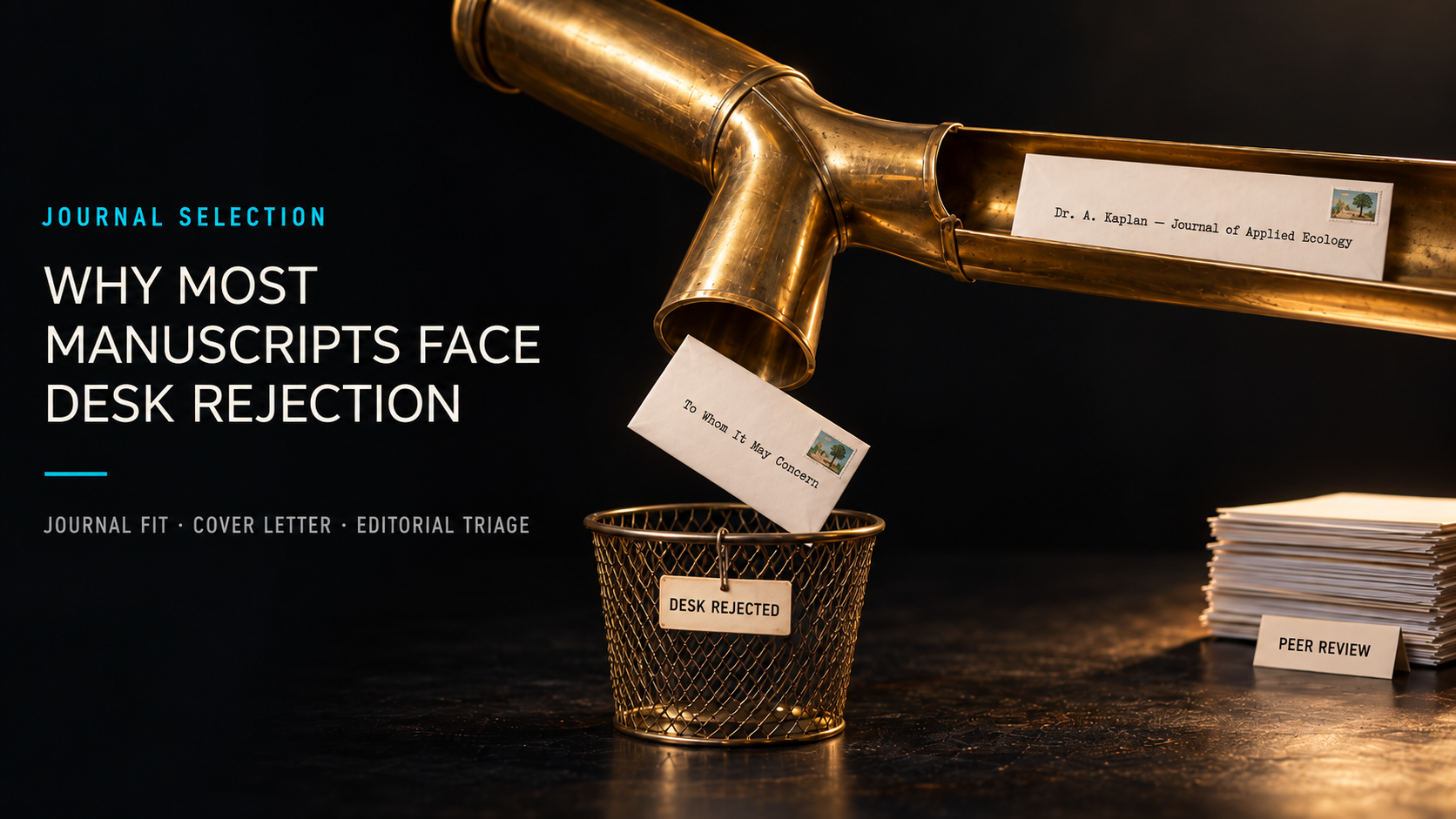
Target Journal Selection and the Art of the Cover Letter: Why Most Manuscripts Face Desk Rejection
Journal Selection

Target Journal Selection and the Art of the Cover Letter: Why Most Manuscripts Face Desk Rejection

Most manuscripts are rejected before they ever reach peer reviewers, and the bottleneck is often where you submit and how you introduce the work. This guide covers strategic journal selection (fit vs. impact factor, spotting predatory journals, a 5-step workflow) and the cover letter (what editors use it for, weak vs. strong openings, and a checklist to catch avoidable mistakes before you submit).

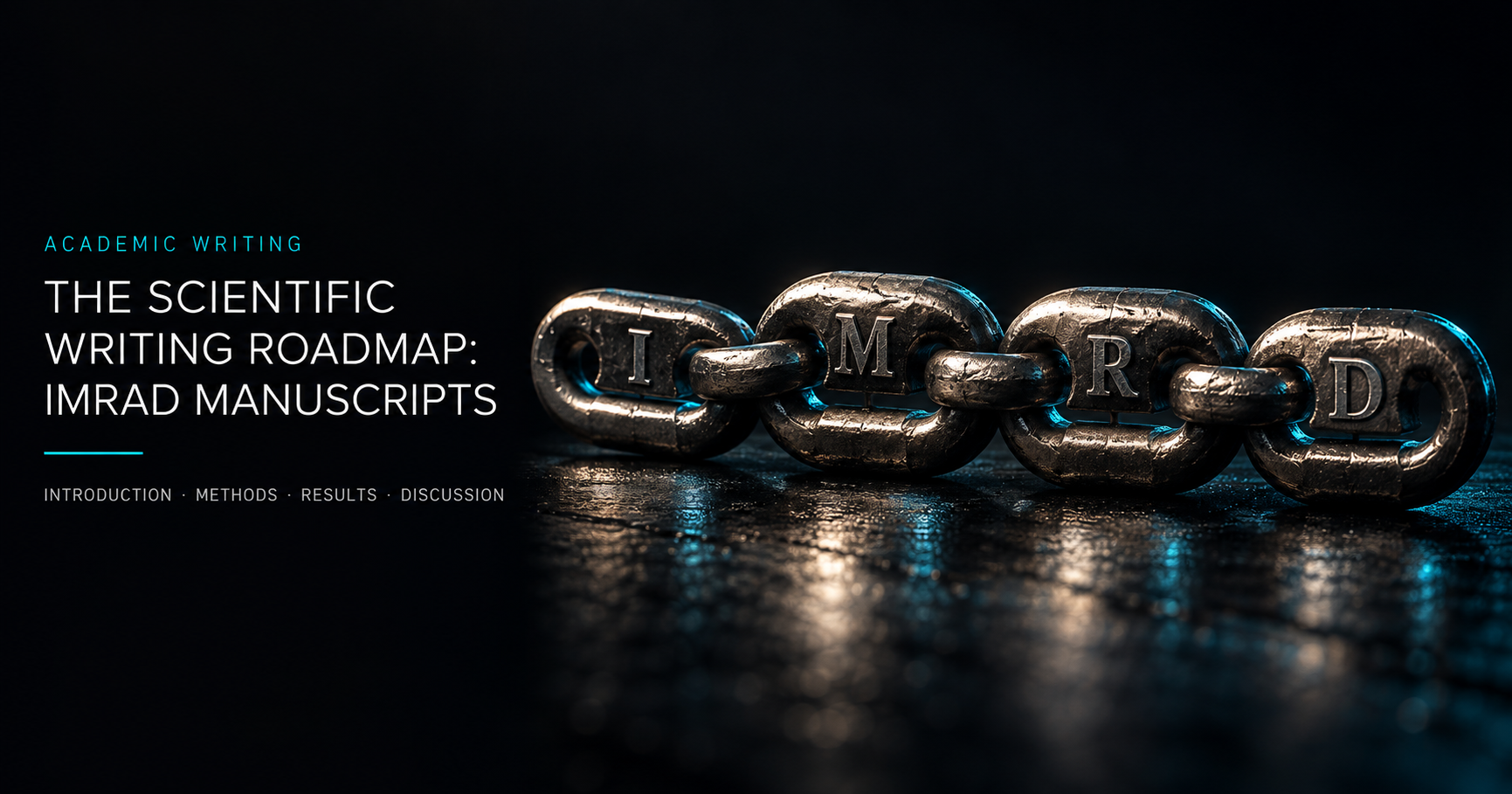
The Scientific Writing Roadmap: From a Research Idea to a Clear, Credible IMRAD Manuscript
Academic Writing

The Scientific Writing Roadmap: From a Research Idea to a Clear, Credible IMRAD Manuscript

You have the data and the plots, but turning them into a paper another scientist can understand and trust is the hardest part. This guide walks through IMRAD section by section, Introduction, Methods, Results, and Discussion, with before-and-after rewrites, the mistakes that make editors pause, and a practical submission workflow for getting a manuscript reporting-guideline-ready.

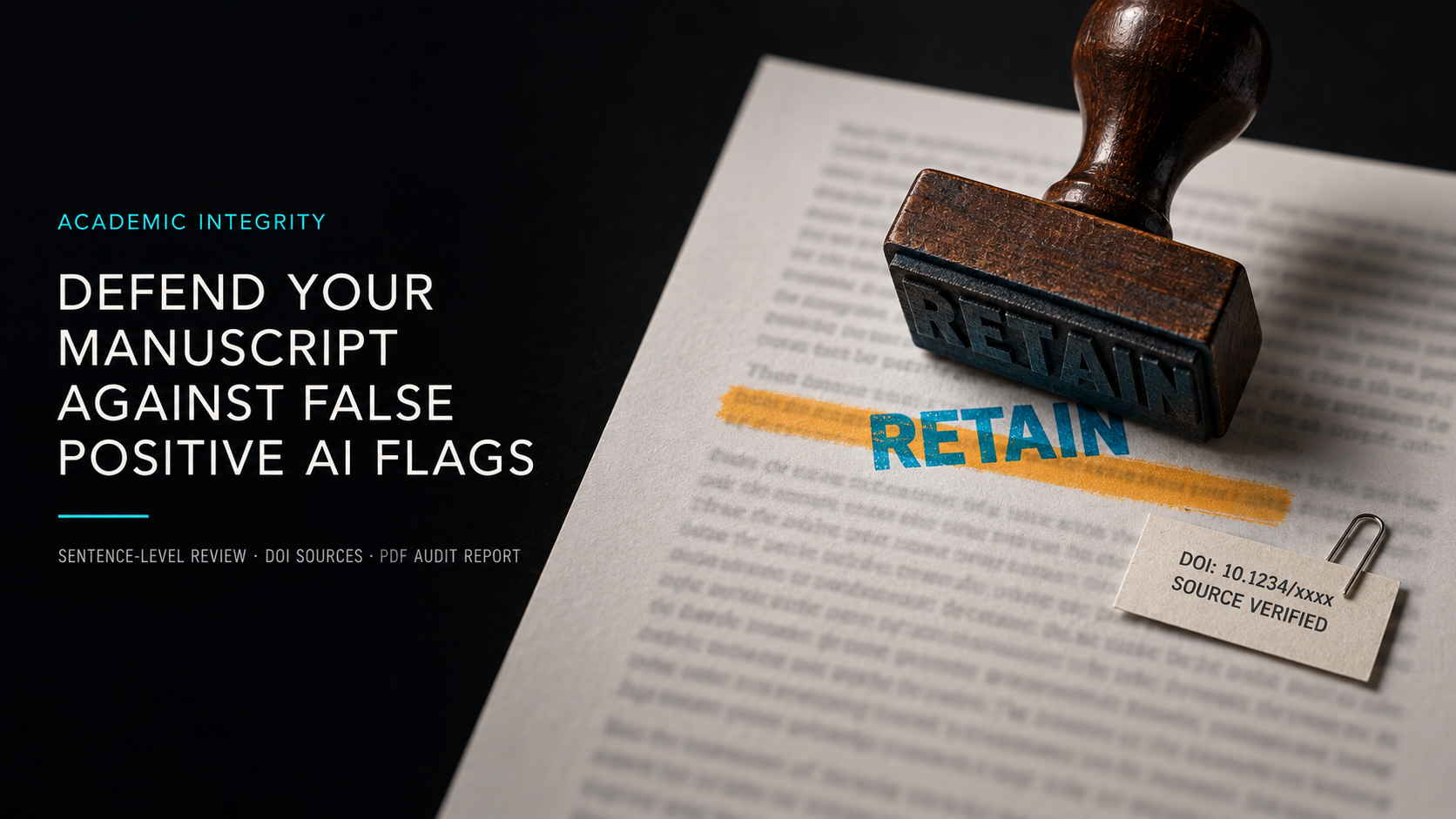
How to Defend Your Manuscript Against False Positive AI Flags: Building an Evidence File with SciCampus PDF Audit Reports
Academic Integrity

How to Defend Your Manuscript Against False Positive AI Flags: Building an Evidence File with SciCampus PDF Audit Reports

A false positive AI flag is not proof of misconduct, and it should not force an author to weaken accurate scientific prose. This guide walks corresponding authors through building a defensible evidence file: freezing the manuscript version, reviewing sentence-level signals in context, checking DOI-linked sources, and exporting a highlighted PDF audit report before an editor ever asks a question.